Inspiring Older Individuals to Prioritize Physical Activity Through Structured Training Recommendations
Wiki Article
Keeping energetic is essential for adults of every age group, but it grows especially important as people age. For seniors, routine exercise helps sustaining autonomy, enhances flexibility, and boosts general health. Comprehensive training frameworks offer older adults with systematic methods to physical health that include stability, flexibility, muscle endurance, and stamina. By implementing carefully planned fitness programs, elders can enhance their well-being while lowering the likelihood of accidents, chronic diseases, and emotional difficulties.
Physical fitness for seniors is not confined to intense routines or rigorous gym workouts. It concentrates instead on safe, steady, and maintainable movement that fits individual fitness conditions. Routines such as walking, flexibility drills, yoga, and strength conditioning aid in maintaining range of motion and muscle tone. Aerobic workouts like swimming or indoor biking improve cardiovascular function, which are key for sustaining physical endurance and stamina. These forms of activity also promote cognitive wellness, as research have demonstrated that consistent activity can enhance memory, outlook, and cognitive function.
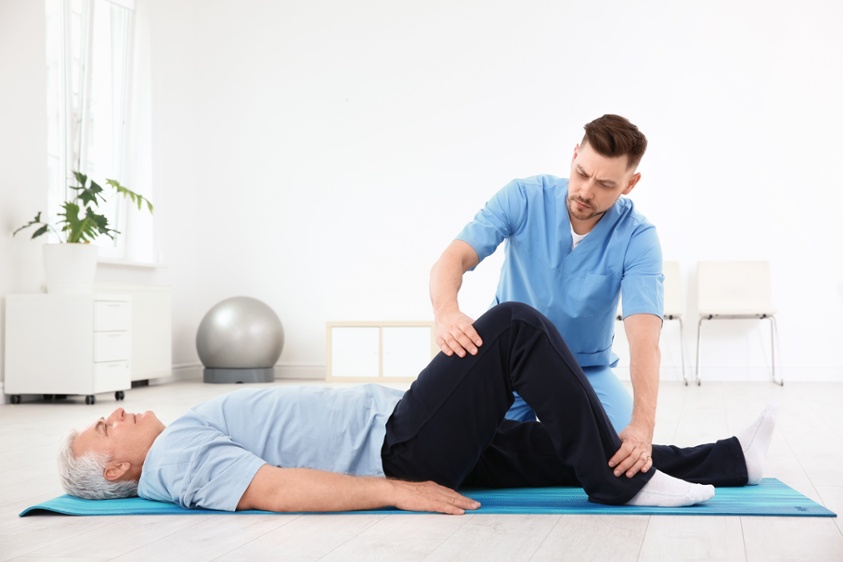
Comprehensive training plans emphasize a well-rounded strategy to health, integrating physical, mental, and interpersonal aspects of well-being. Participants are encouraged to begin slowly and advance at a comfortable pace, guaranteeing safety while reducing fatigue. Incorporating pre- and post-exercise stretches reduces muscle soreness, while proper fluid intake and meal balance complement exercise routines. Additionally, community-based programs—such as group fitness classes or organized group walks—offer avenues for companionship, encouragement, and mental connection, which are equally important to overall health.
Professional guidance next page serves a important role in helping aging individuals build personalized fitness programs. Seeking advice from physicians, physical therapists, or certified fitness trainers guarantees that plans are aligned to specific health conditions, fitness levels, and objectives. These experts can suggest effective workout protocols that account for elements such as mobility concerns, skeletal weakness, or cardiovascular limitations. Through consistent evaluation and adjustment, fitness routines stay effective and enjoyable, supporting sustained engagement and progress.
In conclusion, motivating elders to participate in fitness through inclusive fitness frameworks builds a community of lifelong movement. When participants are equipped with knowledge, motivation, Read Full Report and structured support, they build trust in their mobility and enjoy greater independence. Regular exercise boosts not only body health but also cognitive health and psychological balance. By promoting accessible, professionally structured fitness programs, communities can help that every senior has the opportunity to live a healthy, active, and fulfilling life.